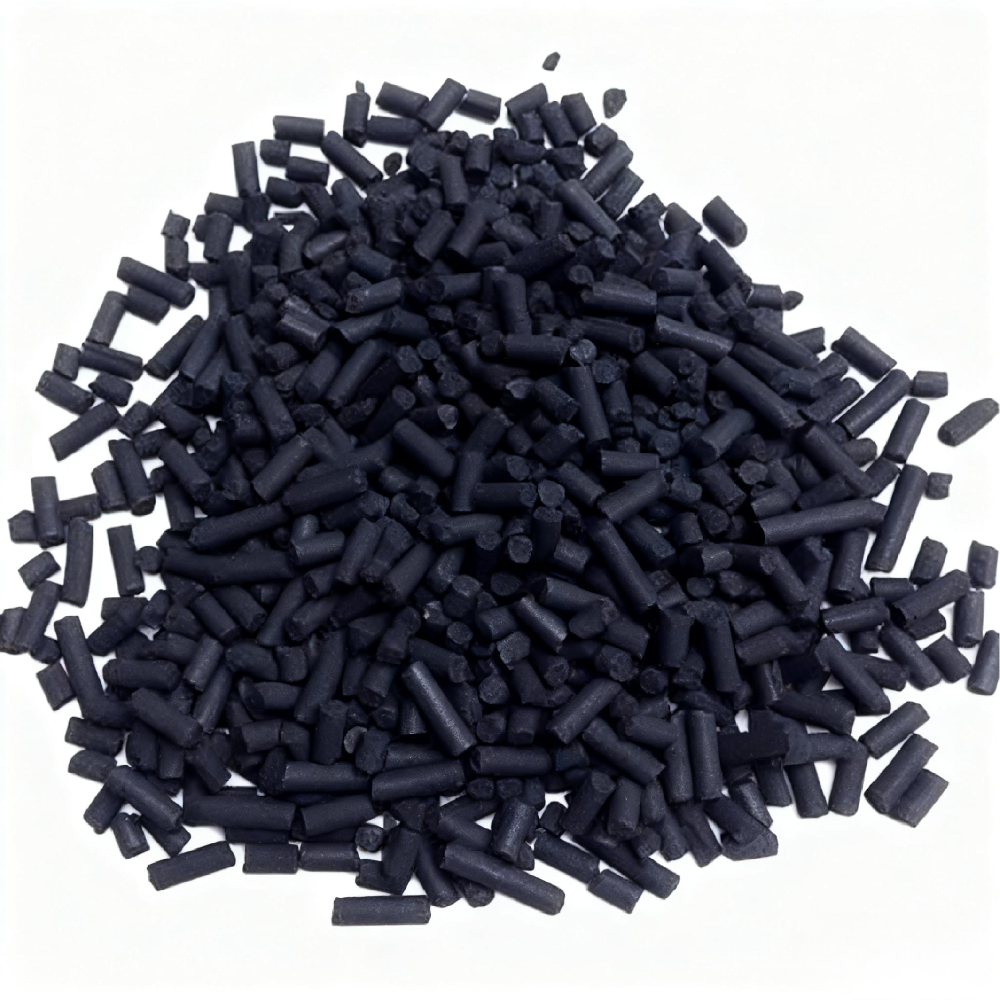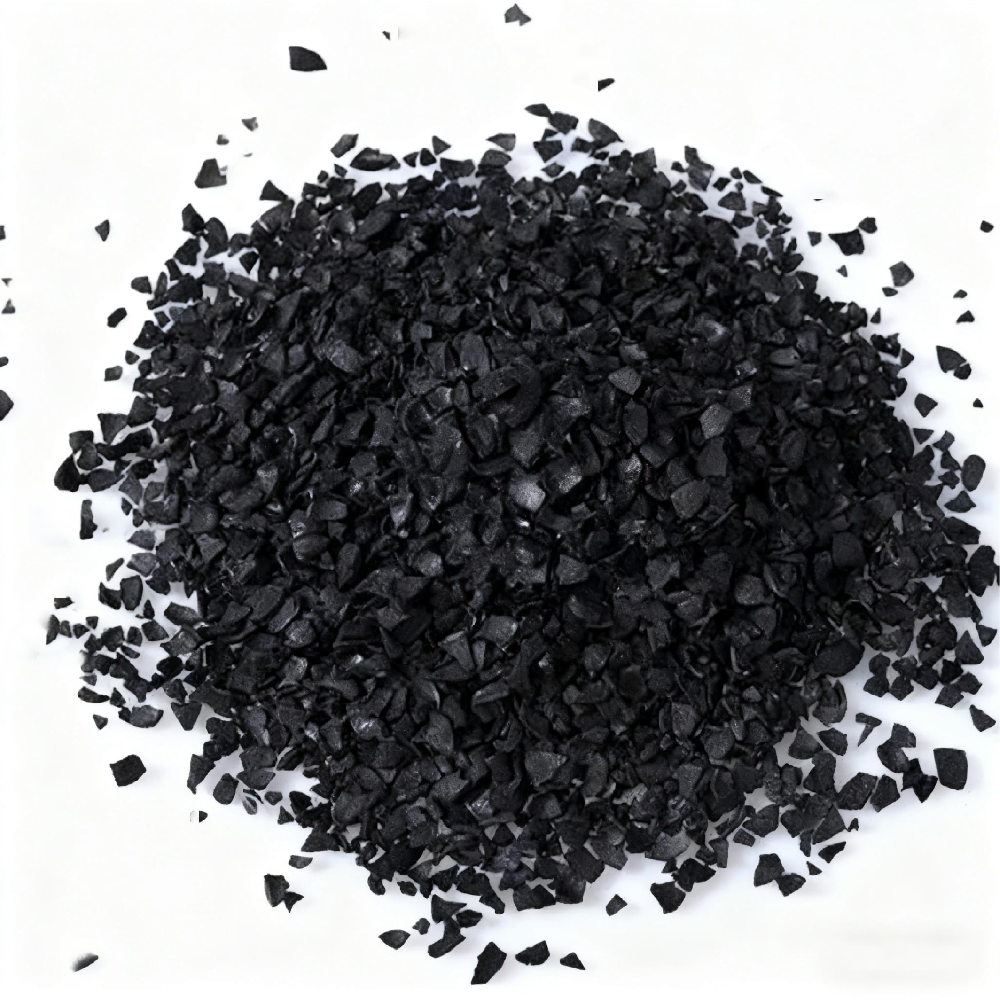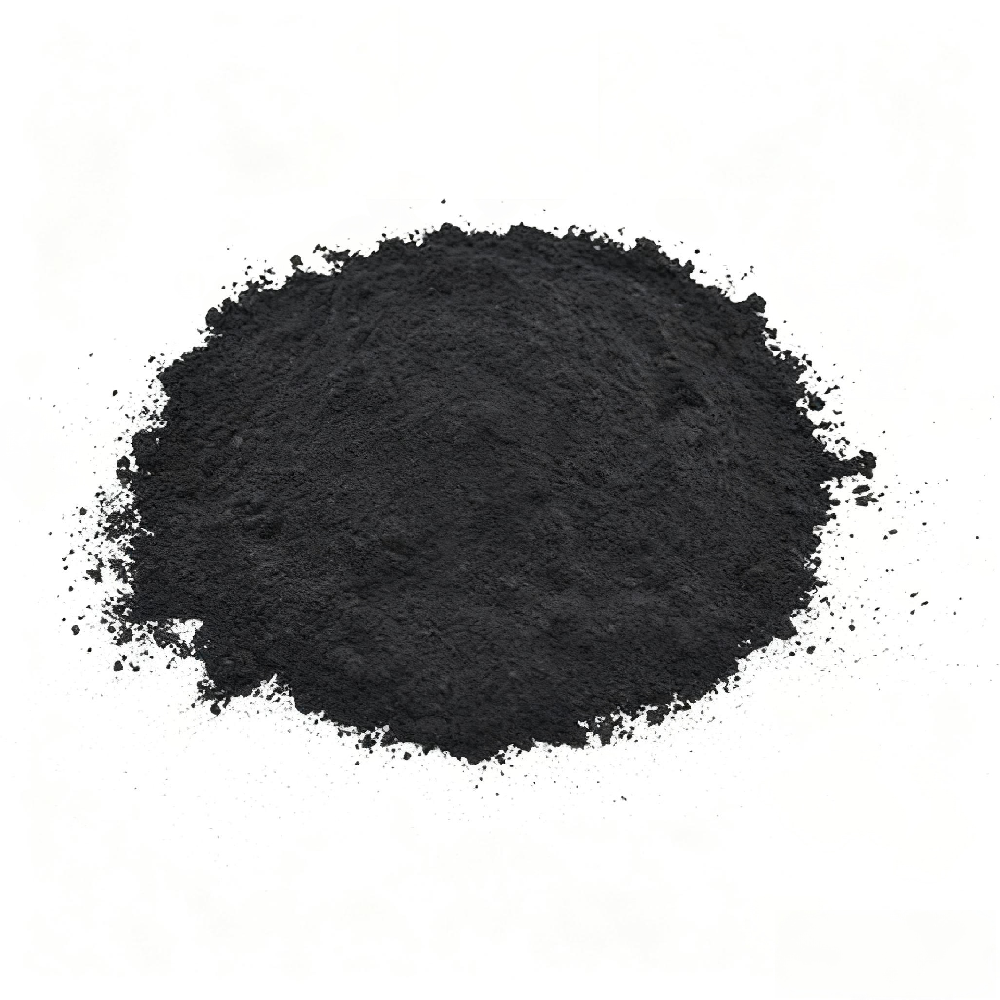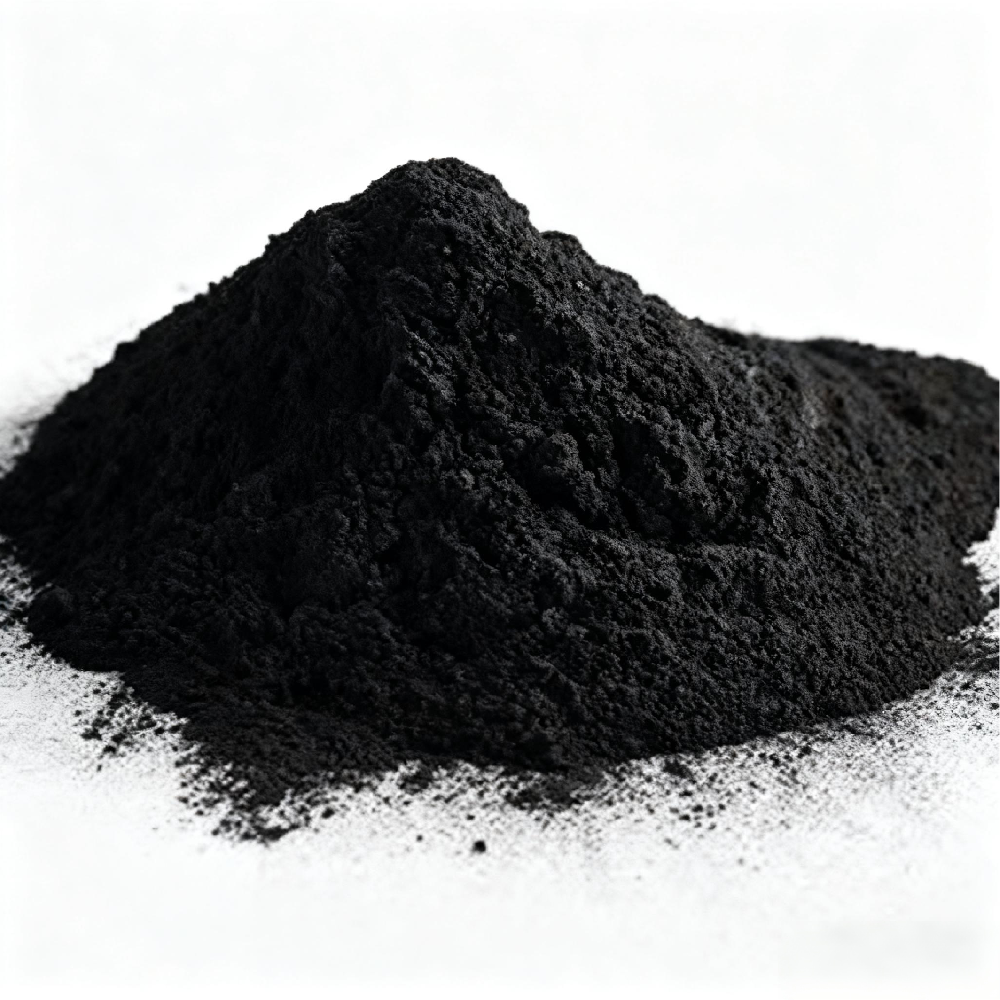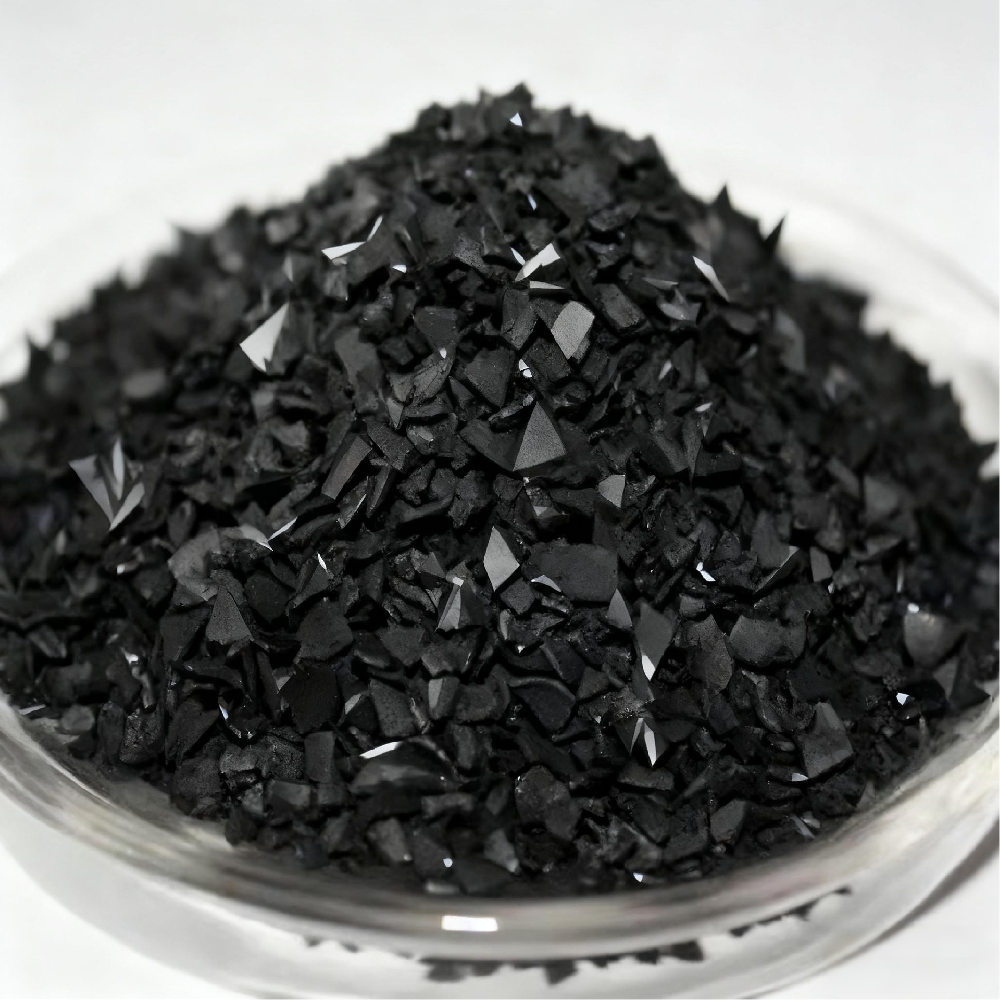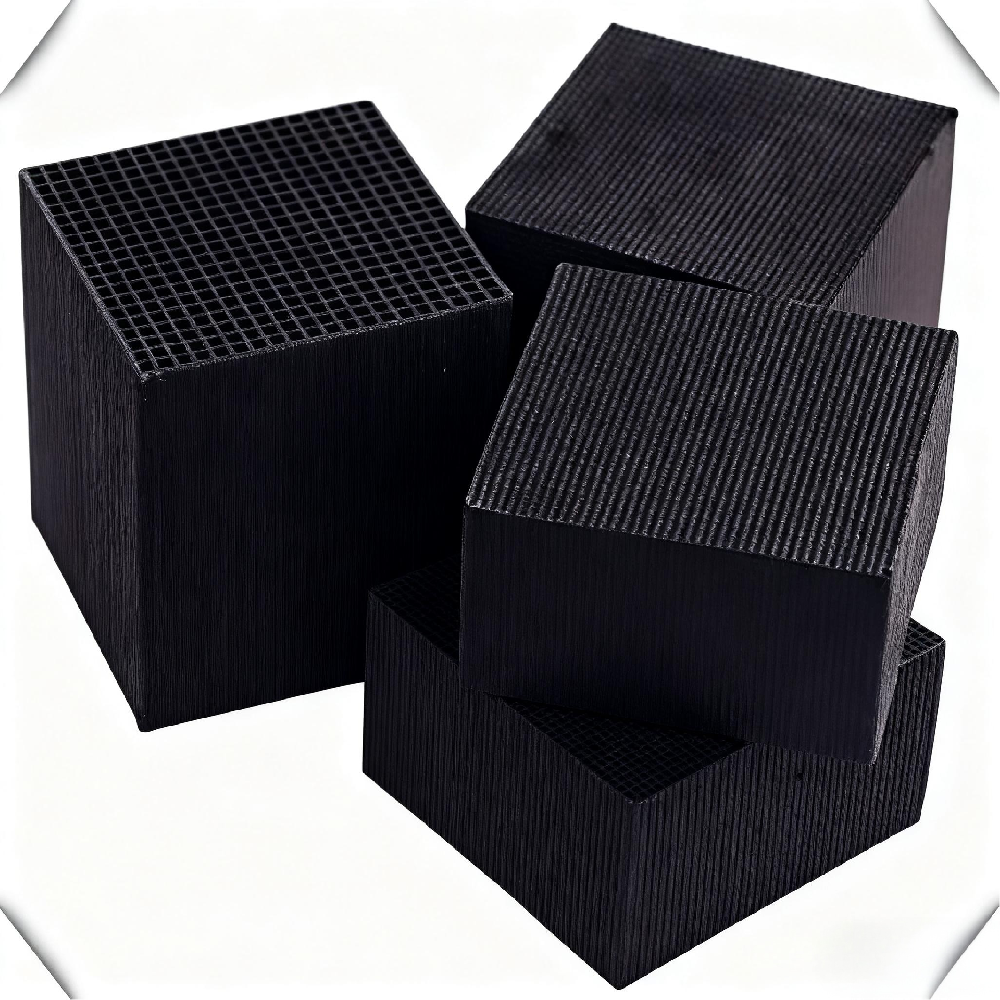
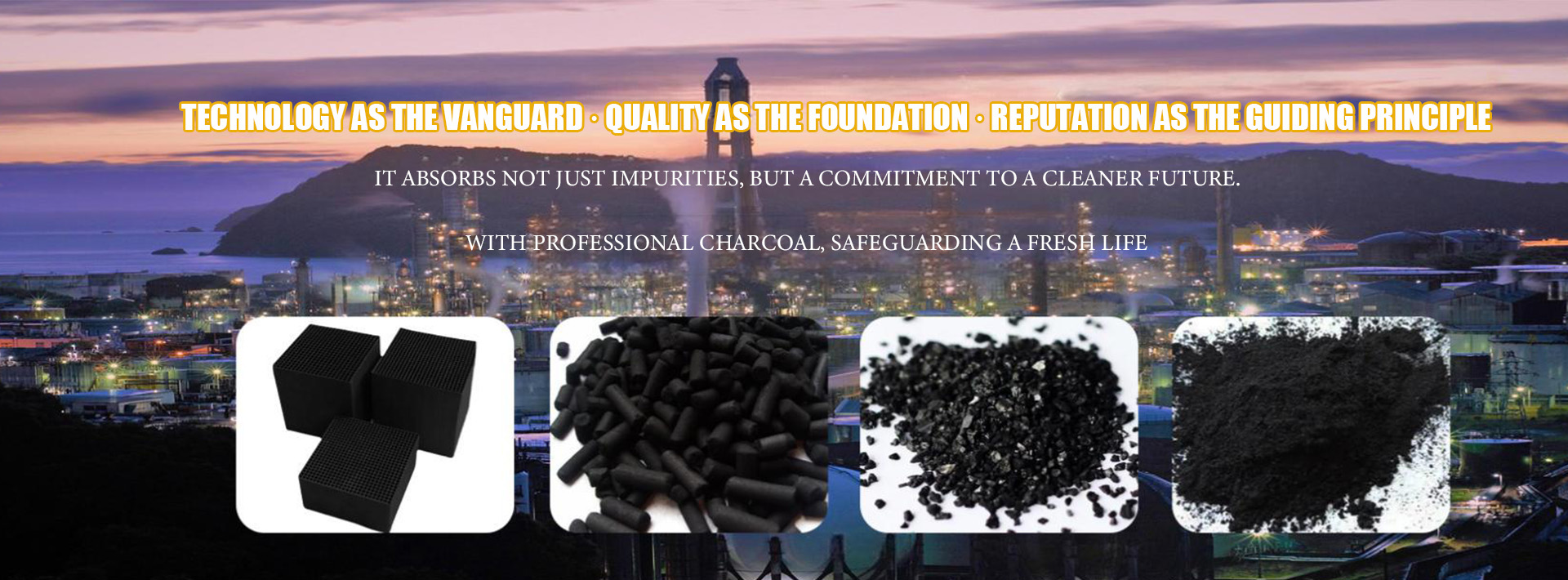
Honeycomb Activated Carbon is a new type of environmentally friendly activated carbon product for exhaust gas purification. It is made from high-quality coal-based activated carbon as raw material, molded by honeycomb dies, and calcined at high temperatures for activation. Its appearance is honeycomb-shaped with numerous small pores. This unique structure endows it with a large specific surface area, low airflow resistance, well-developed micropores, high adsorption capacity, and long service life.
Functions
Adsorption Function
Honeycomb activated carbon has a strong adsorption capacity, mainly due to its large specific surface area and abundant microporous structure. The specific surface area of each gram of honeycomb activated carbon can reach hundreds of square meters or more, providing a large number of adsorption sites. It can adsorb various harmful gases and odorous substances in the air, such as benzene, toluene, xylene, formaldehyde, ammonia, sulfur dioxide, nitrogen oxides, and other volatile organic compounds (VOCs).
In the liquid phase, it can effectively adsorb heavy metal ions (such as lead, mercury, chromium, etc.) and organic pollutants (such as pesticides, dyes, phenols, etc.) from water, reducing the chemical oxygen demand (COD) and biochemical oxygen demand (BOD) of water, thereby improving water quality.
Filtration Function
Thanks to its uniform honeycomb structure, honeycomb activated carbon can serve as a highly efficient filtration material. When gas or liquid passes through it, suspended particles and dust are trapped within its pores, achieving filtration and purification. In air filtration systems, it can effectively remove fine particles from the air and improve air quality. In water treatment, it filters out large impurities such as sand and rust, protecting subsequent processing equipment.
Catalytic Function
Some honeycomb activated carbons, after special treatment and modification, also have catalytic properties. They can act as catalyst carriers, loading various active components (such as noble metals or metal oxides) for catalytic chemical reactions. For example, in the treatment of organic exhaust gases, honeycomb activated carbon loaded with catalysts can accelerate the decomposition and conversion of harmful substances in exhaust gas, transforming them into harmless carbon dioxide and water, thus improving the efficiency and effectiveness of exhaust gas treatment.
Applications
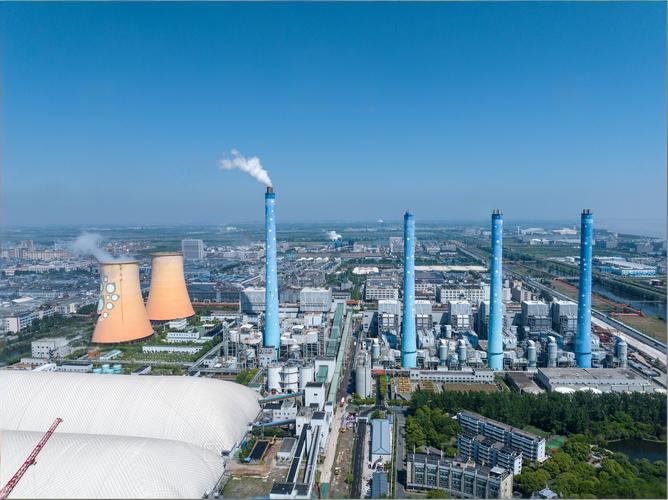
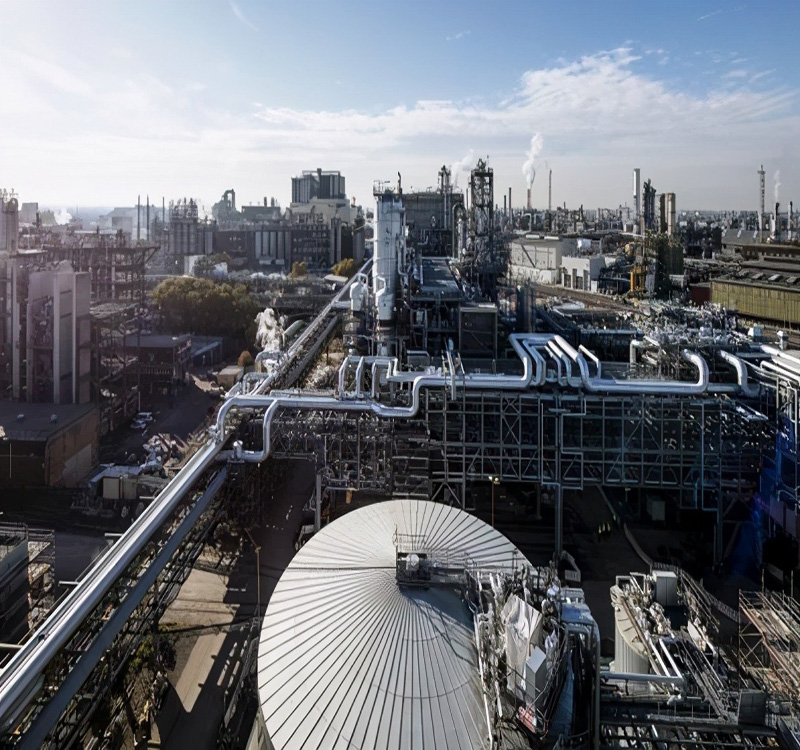
Industrial Waste Gas Treatment
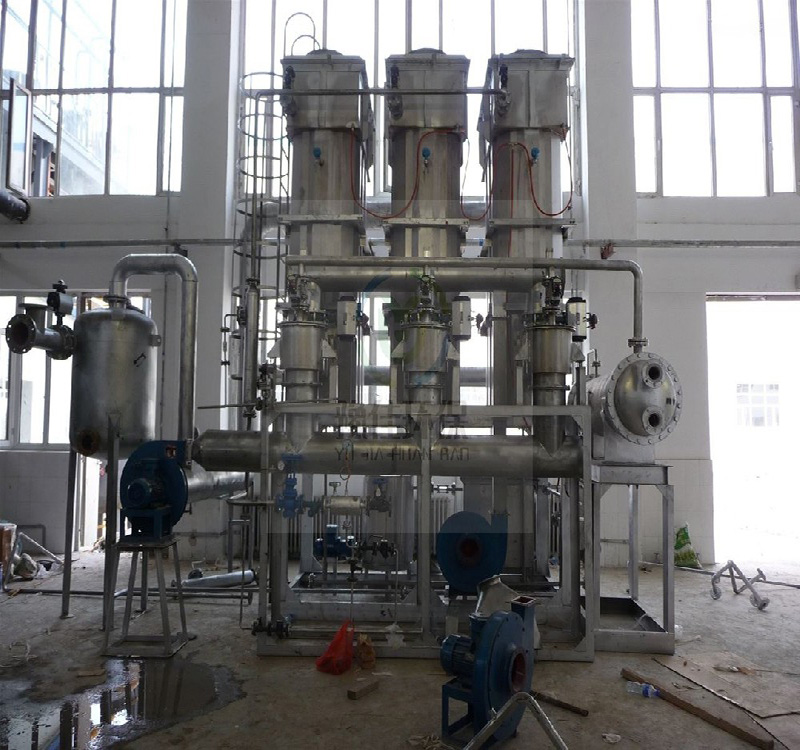
In industries such as chemical, pharmaceutical, coating, printing, and electronics, large amounts of organic waste gas are generated during production. Honeycomb activated carbon can be installed in exhaust gas treatment equipment, such as activated carbon adsorption boxes or catalytic combustion units, to adsorb and purify VOCs in the exhaust. Through adsorption and desorption processes, harmful substances in the exhaust gas are concentrated and separated, achieving emission standards.
For industrial waste gases containing acidic or alkaline components, the adsorption capacity of honeycomb activated carbon can be further enhanced through surface modification or the addition of specific adsorbents.
Indoor Air Purification
With increasing attention to indoor air quality, honeycomb activated carbon is widely used in homes, offices, and shopping malls. It can be placed inside air purifiers or directly in various corners of indoor spaces to adsorb harmful gases and odors such as formaldehyde and benzene, improving air quality and protecting health. Especially in newly renovated rooms, honeycomb activated carbon effectively reduces the concentration of harmful substances like formaldehyde, shortening the ventilation period.
Water Treatment
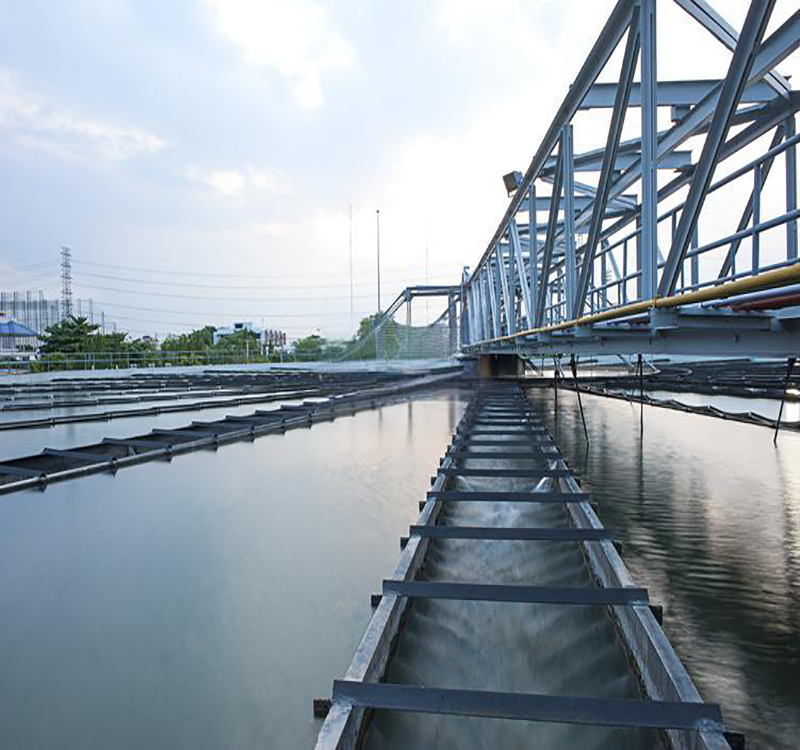
Honeycomb activated carbon also plays an important role in drinking water purification, sewage treatment, and industrial wastewater treatment. In drinking water treatment, it removes residual chlorine, odors, and color, improving taste and quality. In sewage treatment, it can serve as a filler in biological activated carbon filters, providing a growth environment for microorganisms while adsorbing and degrading organic pollutants to enhance treatment efficiency.
In industrial wastewater treatment, it can target specific pollutants according to wastewater types, enabling compliant discharge and water reuse.
Food and Pharmaceutical Industries
In the food industry, honeycomb activated carbon is used for decolorization, deodorization, and impurity removal. For instance, in sugar refining, it removes pigments and odors from sugar solutions, improving purity and quality.
In the pharmaceutical industry, it is used for the purification, refinement, and decolorization of drugs, removing impurities and odors to ensure product quality and safety.
Solvent Recovery
In some chemical production processes, large amounts of organic solvents are used. Honeycomb activated carbon can adsorb and recover these solvents for recycling. Through adsorption and desorption operations, organic solvents are separated from waste gases or liquids, then purified and reclaimed via distillation, reducing production costs and minimizing environmental pollution.